
SELABIK: Open-Source Language for a Better World
The Selabik Project aspires to build a global community working toward UN Sustainable Development Goal 4 (Quality Education) through free, AI-powered language tools compatible with older phones, tablets, and low-bandwidth environments—helping everyone learn, read, and speak in the world’s top 20 languages.

people worldwide are learning new languages at any given time.
see improved fluency within 2 weeks of regular practice.
less study time needed with AI-guided lessons.
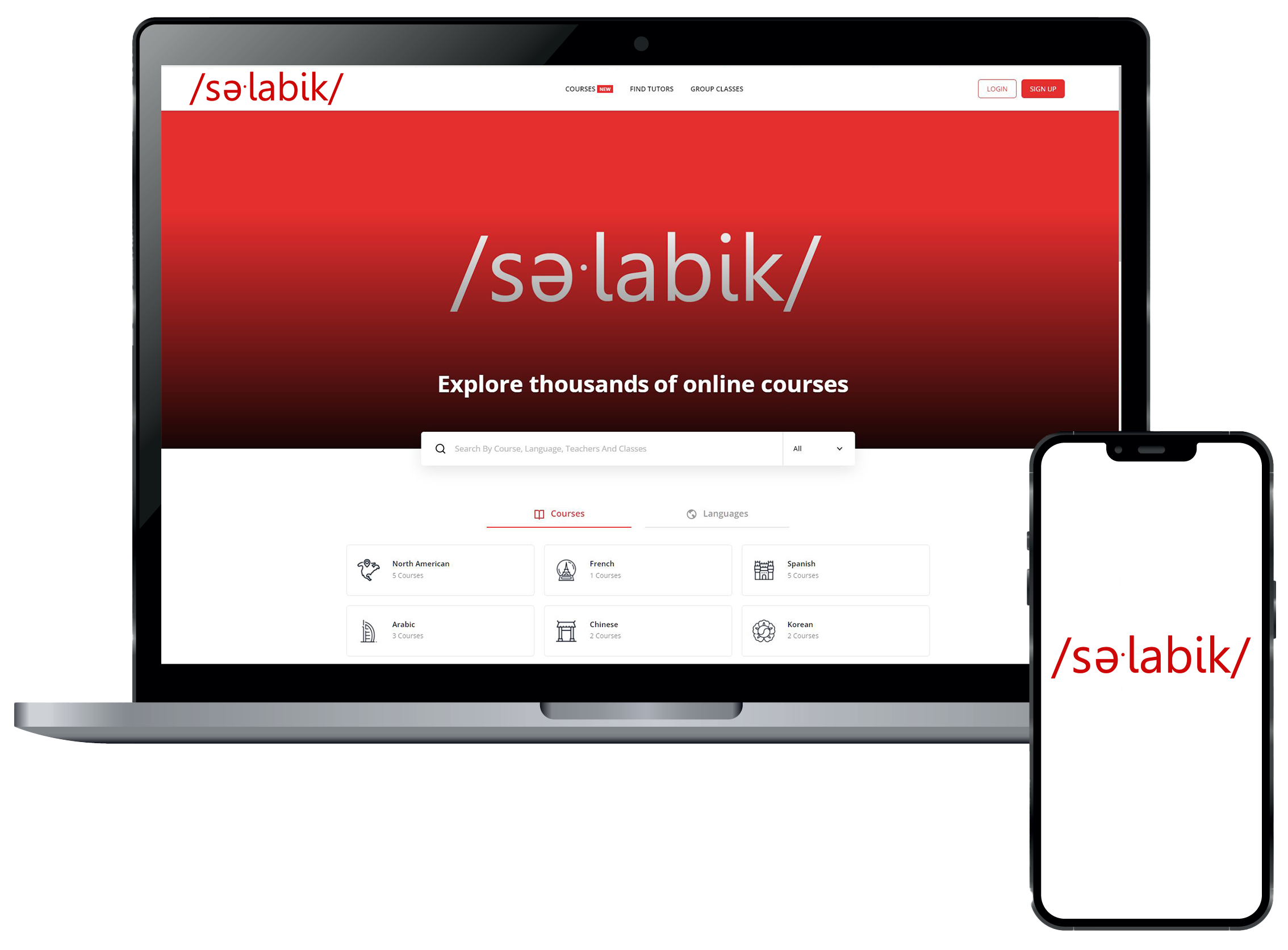
Our Vision for SELABIK
Transforming Language Learning Together
SELABIK is still in the planning stage. The goal is to create a non-profit, open-source platform that breaks barriers to language and literacy. SELABIK will harness AI to help anyone, anywhere, learn and speak the world’s most widely used languages to advance UN SDG 4.
Conceptual Key Features
Community-Driven AI Conversations: Crowd-developed dialogs and real-time, adaptive AI feedback in multiple languages.
Personalized Learning Paths: AI-tuned lessons for K–12, adult literacy, and advanced learners, integrating reading, writing, speaking, and comprehension.
Inclusive Design & Gamification: Minimalistic, accessible UI for all devices, plus streaks and badges to encourage daily practice.
Offline & Low-Spec Compatibility: Designed for second-hand devices and older OS, enabling distribution in areas with unreliable internet.
Comprehensive Literacy & Fluency: Covers reading, writing, speaking, and listening, with open collaboration for local adaptations and expansions.
SELABIK for Individuals
Empowering Personal Language & Literacy Journeys Worldwide
Travel & Everyday Use: For those who want to communicate confidently when traveling abroad or conversing in a new language at home.
Career & Job Opportunities: SELABIK could help learners develop professional-level writing and speaking skills, opening doors to global jobs.
Personal Enrichment: By improving fluency and literacy, people can connect more deeply with new cultures, literature, and communities.
Offline Learning: Planned offline capabilities help users keep practicing, even without continuous internet access.
SELABIK for Education
Equipping Students & Educators with Inclusive Tools Globally
K–12 & Higher Ed: Potential dashboards, localizable lesson modules, and instant feedback for reading, writing, speaking, and comprehension.
NGO & Community Programs: Ideal for literacy campaigns and bridging digital divides—no fees or premium tiers.
Adaptable for Any Syllabus: Because it’s open-source, schools can modify content to align with existing curricula.
Focus on Retention & Fluency: AI-driven personalization could help teachers identify struggling students and tailor their intervention.
Global Access: Offline-first design remains a priority for any future releases, aiding schools in remote or under-resourced regions.
SPOTLIGHT ON UN SDG 4
Accelerating Progress Toward Quality Language Education for All—On Any Device
Global Education Progress & Challenges
58% of students worldwide achieved the minimum reading proficiency by the end of primary school (2019).
Many countries show stagnating or declining secondary outcomes.
Upper secondary completion rates have slowed since 2015, partly exacerbated by COVID-19.
These trends show urgent gaps in educational quality, access, and outcomes worldwide.
Early Literacy & Language Proficiency
Roughly two-thirds of young children in 76 low-/middle-income countries are on track developmentally.
7 in 10 children participate in organized learning pre-primary, yet one-third lack foundational literacy readiness.
Strengthening early literacy programs is critical to ensuring a firm foundation for lifelong language development.
Lifelong Learning & Adult Literacy Gaps
Under 3% of adults over 25 engage in formal learning, limiting ongoing language and literacy improvement.
Socioeconomic disparities (limited infrastructure, high student-teacher ratios) hamper progress in rural and low-income areas.
More accessible adult education and flexible learning opportunities are vital to improving reading, writing, and speaking skills throughout life.
How SELABIK Could Help Meet SDG 4 Targets
Open-Source, No Fees
Freely available for all; no paywalls or premium tiers, making literacy and language practice available to under-resourced populations.
Offline & Multilingual Support
Planned offline mode and a wide range of language offerings mean users can learn anywhere—especially vital where internet connectivity is low or unreliable.
Low-Spec Device Compatibility
Designed to reach areas with minimal internet, older devices, and operating systems, enabling broader distribution through NGOs, non-profits, and community centers—even in areas where only second-hand or outdated devices are available.
Adaptive & Holistic
AI-driven literacy and fluency lessons for children, adults, and marginalized learners fill literacy gaps—especially important where teachers are scarce.
Community Partnerships
NGOs, educators, and local volunteers collaborate to localize content, ensuring cultural relevance and strengthening the link between formal schooling and community-based education.
Equity Focus
By prioritizing rural learners and low-income families, SELABIK aims to close the digital and educational divide—helping more children and adults stay in school and achieve critical literacy milestones.
Inspiring Innovators and Leaders in Tech & Education
Our mission to provide free, open-source literacy and language tools is made possible by organizations that believe in broad access to education.
Historically, beyond NGOs and philanthropic foundations, large tech leaders like Google, Microsoft, IBM, AWS, Intel, Cisco, and HP have championed open learning and digital empowerment—helping initiatives like SELABIK bring quality education to communities worldwide.
Trust us, we care.
Beyond Individual Language Learners and Education: SELABIK for Workplaces and Communities
Our conceptual open-source platform would be more than an app for solo language learners, K–12 classrooms, and higher education institutions—its AI-driven approach could transform global workplaces as well, empowering entire communities to communicate more effectively—part of a broader vision to promote quality language education everywhere, worldwide.
Potential Key Benefits for All:


No Pricing—A Future Public Good
No Premium Tiers, No Paywalls—Education for Everyone

Non-Profit Vision
SELABIK plans to rely on grants, donations, and community support, not subscription revenue.

Transparent & Open-Source
All code available for review and collaboration; no hidden charges.

Aligned with SDG 4
Every feature aims to democratize literacy and language acquisition, especially for underserved populations.
Got questions?
We've got answers!
What is SELABIK?

How does SELABIK differ from apps like Duolingo, Busuu, or Talkpal?
Will SELABIK focus on more than conversation practice?
Why target older phones or low-bandwidth environments?
What is the funding model?
How will SELABIK stay current with new AI advancements?
How will SELABIK align with UN Sustainable Development Goal 4 (Quality Education)?
Who can contribute to SELABIK?
When do you plan to release the first version?
Will there be any paywalls at all?
How will privacy and security be handled?
Can NGOs and educators adapt SELABIK for local contexts?
Where can I find more info or sign up to help?
How You Can Help Before We Start
Shape SELABIK From the Ground Up
Developers:
Prepare to build AI, offline features, and multi-language modules once we secure funding.
Designers:
Envision an intuitive interface that runs smoothly on older hardware.
Educators & Linguists:
Draft lesson plans, localize content, advise on pedagogical best practices.
Donors & Sponsors:
Seed the project so we can launch prototypes and pilot programs to keep it free for users.